June 16, 2026 • Stuart, FL
Link Building Strategies That Work in 2026
I'll be honest with you. Link building isn't what it used to be. We're living in a different search landscape now, and if you're still using tactics from 2020, you're falling behind.
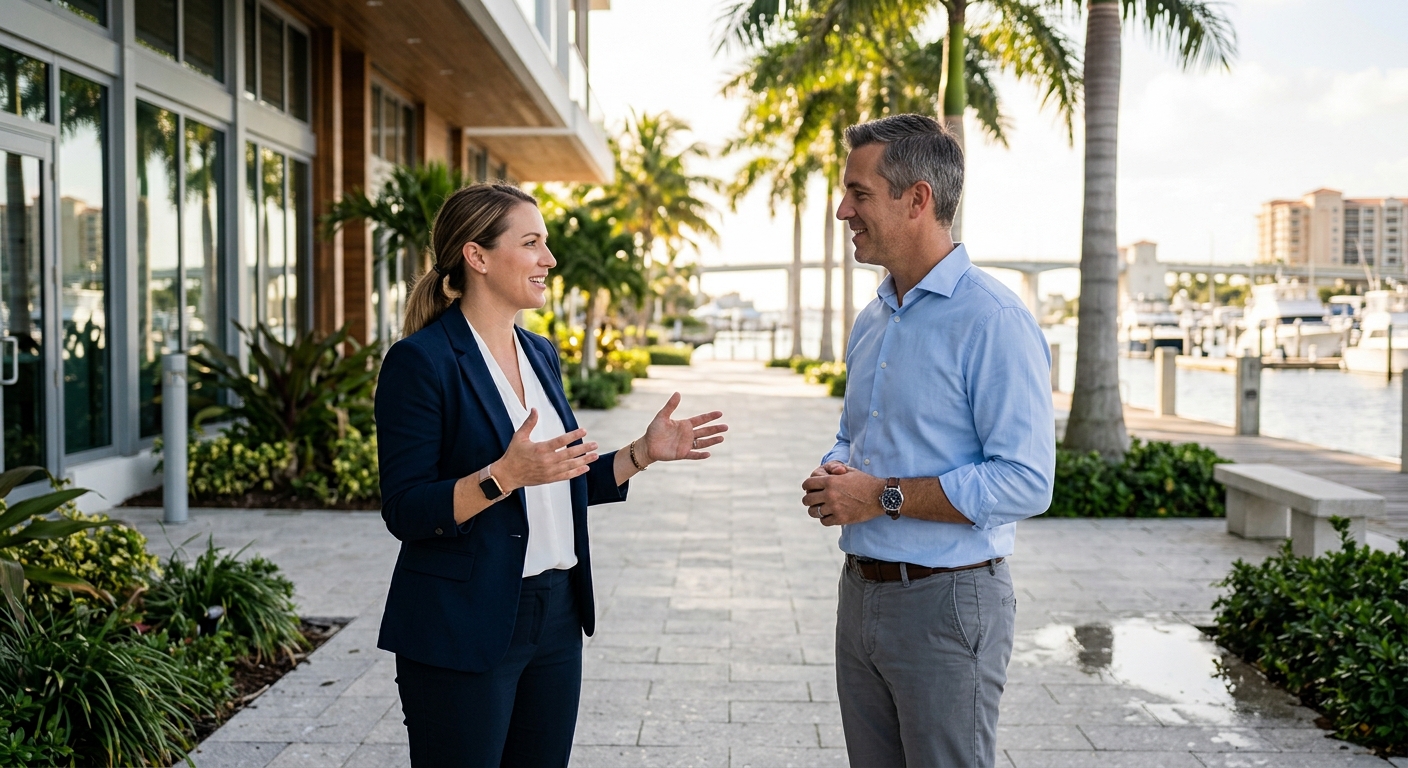
At MarketKing AI here in Stuart, we've been helping local businesses and national brands figure out how to build links that actually matter in 2026. The game has changed. Search engines are smarter. AI is now recommending businesses to people searching for solutions. And the way you build authority online? That's evolved too.
Let me walk you through what's working right now. These aren't shortcuts or black hat tricks. These are real link building strategies that work in 2026.
Why Link Building Still Matters in 2026
Before we get into the how, let's talk about the why. You might've heard that links don't matter anymore. That's not true.
What's changed is this: Google cares way more about link quality than link quantity now. One link from a relevant, trusted site is worth more than 100 spammy links. And here's something else that's new. AI systems like ChatGPT and Perplexity are now factoring in your backlink profile when they recommend businesses. That's part of something called GEO, or Generative Engine Optimization.
GEO is the new frontier. When someone asks ChatGPT, "Who's the best digital marketing company in Florida?" those AI systems are pulling from sites with strong backlink authority. They're looking at trust signals. They're checking whether real websites link to you.
Think about it this way. If you want to be recommended by AI, you need to be trusted by the web itself. That means backlinks. That means authority. That means the strategies we're going to cover in this post.
Link Building Strategy #1: Create Content That Reporters Actually Want to Link To

Here's what we see working over and over again in Stuart and beyond. You create something genuinely useful, and journalists, bloggers, and industry experts link to it without you even asking.
What kind of content? Original research. Case studies with real numbers. Expert roundups. Local data that no one else has compiled.
We worked with a home services company in Stuart that published a detailed study on "The Cost of Delaying Foundation Repairs in Florida's Humid Climate." They got links from 47 different sites in the first three months. News outlets picked it up. Contractors referenced it. Why? Because the data was valuable and original.
You don't build links by asking for them. You build links by creating something worth linking to. This is link building strategy number one, and it's still the most powerful.
The key is this: your content needs to solve a real problem or answer a real question that people are searching for. Use tools like Google Search Console to see what people are actually asking about your industry. Then create content that goes deeper than anyone else has gone.
Link Building Strategy #2: Build Relationships with Industry Websites and Local Directories
This one requires a little old-fashioned relationship building, but it works like crazy.
As you can see in the photo above, there are specific websites in every industry where links carry serious weight. In 2026, those sites are more selective than ever. They're not going to link to you because you asked nicely. They're going to link to you because you've built a real relationship.
How do you do this? Start by identifying 20-30 websites that are relevant to your business. These could be industry associations, local business directories, news publications, or trade sites. Create a spreadsheet. Research the people who run these sites. Follow them on social media. Comment on their articles. Share their content.
Then, when you have something genuinely worth linking to, reach out personally. Not with a form letter. Not with a mass email. A real message that shows you understand who they are and why your content matters to them.
We've had better results with this approach than with any automated link building tool. Why? Because relationships matter. Trust matters. And in 2026, AI systems are getting better at spotting fake relationships and ignoring them.
Link Building Strategy #3: Leverage Unlinked Mentions
This is a hidden goldmine that most businesses sleep on.
Someone on the web is talking about your brand, your product, or your service. They just didn't link to you. Maybe they mentioned your company name. Maybe they talked about your work without crediting you. Either way, that's a wasted opportunity.
Tools can help you find these unlinked mentions. But here's the real work: reaching out to those sites and politely asking them to add a link. Most of the time, they're happy to do it. They didn't know you existed. Now that they do, they'll add the link.
This strategy works because you're not creating new relationships from scratch. The relationship already exists. You're just formalizing it.
Link Building Strategy #4: Partner with Complementary Businesses for Co-Marketing
Here in Stuart, we see local businesses doing this really well. A plumbing company partners with an HVAC company. A dog trainer partners with a veterinarian. They create content together, launch campaigns together, and link to each other.
Why does this work? Because the links are genuine. They're not forced. They come from businesses that actually recommend each other to their customers.
As you can see in the second image above, some of the most powerful links come from natural business partnerships. You're not just getting a backlink. You're getting a warm introduction to a new audience.
The strategy here is simple. Find businesses that serve the same customers you do, but offer different services. Reach out. Propose a collaboration. Create something valuable together. Link to each other naturally.
Link Building Strategy #5: Focus on GEO and Being Recommended by AI
Here's where we get into the future of search, and honestly, this is where I get excited about what we're doing at MarketKing AI.
GEO, or Generative Engine Optimization, is changing how businesses get discovered. When someone asks ChatGPT or Perplexia for a recommendation, those AI systems are crawling the web looking for trusted sources. They're looking at backlinks, yes. But they're also looking at how trustworthy your website is. How authoritative your content is. How much the web vouches for you.
This means your link building strategy in 2026 needs to have AI recommendations in mind. You need backlinks from sites that AI systems trust. You need to be mentioned in industry publications and authoritative sources. You need your expertise to be recognized across multiple platforms.
How do you do this? First, understand that quality beats quantity even more in GEO than in traditional SEO. Second, focus on getting mentioned in places where AI systems are trained to look. Third, make sure your website itself is trustworthy, fast, and packed with real expertise.
This isn't about gaming the system. It's about building real authority so that when someone uses AI to find businesses like yours, you're the one recommended.
Bringing It All Together
Link building strategies that work in 2026 aren't about quantity. They're not about spammy tactics or shortcuts. They're about building real authority, real relationships, and real trust across the web.
Whether you're focused on traditional SEO or you're thinking about how to get recommended by AI systems, these five strategies will move the needle. Create content people want to link to. Build relationships with industry leaders. Find unlinked mentions. Partner with complementary businesses. And always keep GEO in mind.
If you're serious about building links that stick, links that Google respects, and links that help AI systems recommend you to potential customers, we'd love to help. We've been doing this work here in Stuart and across Florida for years. We know what works. We know what doesn't. And we know how to build a link strategy that's going to move your business forward.
Ready to stop spinning your wheels with link building and start seeing real results? Let's talk about what a strategy looks like for your specific business. Visit us at marketkingai.com or reach out today. We're here to help you build the kind of authority that actually matters in 2026.
Ready to Rank #1 in Stuart, FL?
We build AI-powered SEO content that gets local businesses to page one on Google.
See Plans & Pricing →